
Description
Buy Calea zacatechichi Online
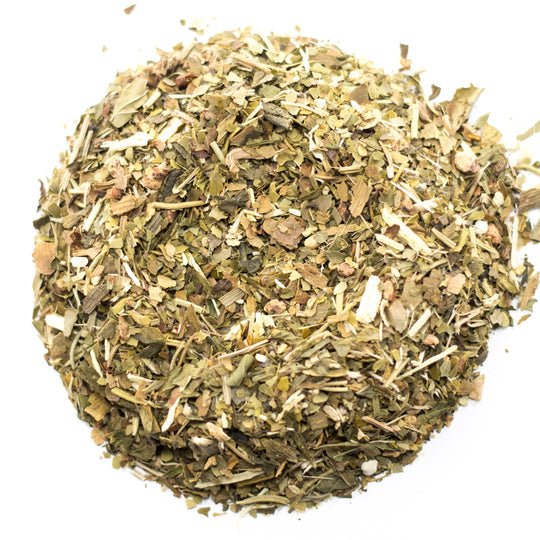
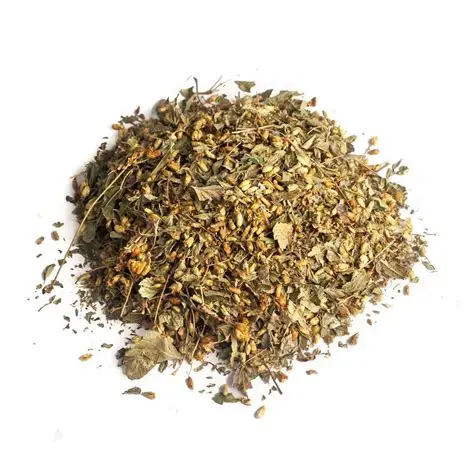
Calea zacatechichi is widely considered one of the premier oneirogenic “dream herbs” available today. It’s used by lucid dreamers to enhance the vividness and cohesiveness of dreams and help facilitate one’s ability to lucid dream, Buy Calea zacatechichi Online
Here’s everything you need to know about the sacred Mexican dream leaf.
What is Calea zacatechichi? | Buy Calea zacatechichi Online.
Calea zacatechichi is a small shrub native to Mexico and Central America. It’s smoked or consumed as a tea to enhance mental clarity and facilitate lucid dreaming. Buy Calea zacatechichi Online
This plant is found from northeastern Mexico (Nuevo León, Tamaulipas) down to Colombia and Brazil. It thrives in a wide range of environments, including tropical and temperate environments. It’s often found around human developments near roads and open areas and prefers savannahs or semi-arid landscapes.
Calea zacatechichi and Calea ternifolia are the same species. C. ternifolia was the first official botanical name given this plant (published in 1820) but was later referred to as C. zacatechichi by the German botanist Diederich Franz Leonhard von Schlechtendal in 1835. It’s derived from the Nahuatl term zacatl chichic, which means “bitter grass.”
Today, both botanical names are used interchangeably — but Calea zacatechichi is more common.
There’s a lot of variability within this species, with some people considering there to be “good calea” and “bad calea.” Studies examining chemical differences between samples of wildcrafted “good calea” and “bad calea” haven’t found any relevant data to differentiate them.
With that said, some botanists still suggest two species — Calea albida and C. hypoleuca — though neither are widely accepted.

Buy Calea zacatechichi Online
Calea zacatechichi Specs:
| Active Ingredients | Sesquiterpene lactones |
| Level of Risk | Low |
| Common Names | Ahuapatli, Çacachichic, Prodigiosa, Thle pela kano, Zacatechichi, Zacate de perro, Hoja madre, Hoja de dios |
| Most Common Side-Effects | Sedation, nausea, vomiting, waking unrefreshed |
| Duration of Effects | 3–6 hours |
| Legality | Legal in most parts of the world except Louisiana (USA) and Poland |
Calea zacatechichi Traditional Uses
Calea has a long history of use in Mexico and Central America, where it grows naturally, especially among the Chotal Indians in Oaxaca. It was used by shamans for ceremonial and divinatory purposes due to its psychoactive and dream-enhancing properties.
This herb had other uses as well. Its potent bitter flavor makes it useful for digestive disorders ranging from diarrhea and indigestion to poor appetite and cramping.
Calea is also considered a febrifuge, making it useful for breaking fevers and a hepatic, useful for managing liver deficiencies.
Effects of Calea While Asleep
The strongest effects of Calea happen while we’re asleep. In psychoactive doses, Calea leaf can dramatically enhance both the vividness and memorability of dreams. It makes dreams feel longer and reduces some of the “fogginess” that can make dreams hard to comprehend.
One of the more unique characteristics of Calea is that it can also make dreams feel more cohesive — that is, it makes dreams easier to understand and potentially extract deep knowledge from them than normal dreams.
Calea dreams tend to be hyper-realistic and detailed. Some even describe the feeling as being “more real” than reality itself. This is a phenomenon often described with powerful psychedelic states induced by DMT.
Calea is one of the more popular herbs people use to facilitate lucid dreaming (dreams where the user is consciously aware they’re dreaming). This herb is less likely than other dream herbs to cause nightmares, and the increased clarity makes it easier to enter a lucid dream than some of the more idiosyncratic or bizarre dreams caused by herbs like Amanita mushrooms, datura, or damiana.
Effects of Calea While Awake
Calea is psychedelic when used while awake as well, but the effects are different from other psychedelics like LSD or magic mushrooms.
The effects of Calea are best described as calming and lucid. If used in high enough doses, the experience can feel somewhat dreamlike, with the calming “floaty” effect comparable to kava (Piper methysticum).
These lucid and calming qualities are similar to LSA (lysergic acid amide) — but there are still some inherent differences that make it hard to make an effective comparison. For example, Calea is far less visual than tryptamine psychedelics like LSA.
LSA is also much more sedative than calea.
In lower doses, calea may increase mental clarity and focus. Some people smoke small amounts of the herb to help while studying or engaging in creative work.
What’s The Dose of Calea Leaf?
The usual dose of Calea is between 1 and 5 grams of the dried leaf. The dose is similar when smoking or preparing a tea.
Traditional doses of this herb are much higher, with some reports suggesting as much as 60 grams.
The dream-inducing qualities are rarely reported in doses lower than one gram. Most people find they need closer to 2 or more grams before they experience any of the dream-inducing effects.
It’s wise to start with a lower dose when trying calea for the first time and increase in small increments once you become more familiar with how it affects you individually. Start with 0.5 grams, then 1 gram, then 2, and so on until you get the desired effects.
Because calea can reduce the quality of one’s sleep, leaving users feeling groggy the following morning, it’s wise to space out the use of this plant to once or twice per week.
What Are the Side Effects of Calea?
Calea isn’t considered dangerous and rarely results in any major side effects. The most common side effects come from its bitter flavor, which can make people feel nauseous.
The second most common side effect is feeling groggy or unrefreshed the morning after using calea. This is a direct result of calea’s ability to prolong time spent in shallow (N1) sleep, which in turn shortens the tie spent in deeper, more restorative stages of sleep (N2 and N3). This is a tradeoff users need to make when taking herbs that actively promote dreaming by prolonging time spent in “dreamier” stages of sleep. You can increase the quality of dreams but at the expense of reducing the overall quality of sleep itself.
Smoking the herb brings additional side effects, such as sore throat, coughing, or headaches.
Some users experience a drop in blood pressure after using calea, especially in large doses. This can result in feelings of dizziness and confusion. It’s also suggested to have hypoglycemic effects, which could result in low blood sugar levels in susceptible individuals. It’s best to avoid calea if you’re taking medications for heart disease, high or low blood pressure, and diabetes.
In general, the side effects of calea may include:
- Sedation and fatigue
- Stomach discomfort
- Nausea and vomiting
- Poor sleep quality & brain fog
How to Use Calea Leaf
The traditional way of using calea leaf was to smoke it (usually in combination with other herbs) and then follow it up with a strong tea.
Capsules and tinctures are also good options that have become more popular in recent years.
1. Smoke It
The active ingredients in calea are resistant to heat, which means it can be smoked.
Calea burns smoothly on its own but can be harsh if it isn’t mixed with something like tobacco, mullein, cannabis, or damiana.
In general, the dose for smoking calea is 1–5 grams. Some people find just a few puffs are enough; others will smoke two or three calea cigarettes to get the desired effects.
Here’s a simple “dream smoke mix” using calea as the primary ingredient:
- Calea zacatechichi leaf — 2 parts
- Damiana or mugwort — 1 part
- Marijuana or tobacco — 1 part
- Mullein or raspberry leaf — 1 part
2. Prepare a Tea
If you don’t like the idea of smoking, you can always make calea into a tea — but be warned: calea tea tastes horrible. I’m a herbalist and am used to drinking bitter herbal brews, but calea is on another level.
The common name of this herb is derived from the Nahuatl word meaning “bitter grass,” — and this about sums up how this tea tastes.
You can cut some of the flavor by mixing in strong-tasting herbs like mint, lemongrass, or damiana (also oneirogenic). It also helps to add some honey or sugar to cut the bitterness and cooling the brew in the fridge before drinking makes it (slightly) more palatable.
The bottom line is that it’s going to taste bad no matter what you do. The best way to approach this is to just knock it back quickly and rinse it down with some juice or peppermint tea.
For one person, a good starting dose is to mix around 3 grams (one handful) into 1–2 cups of boiling water and let it steep for 20 minutes.
I use a small french press. Add the herbs, then the water, and place it in the fridge for about an hour. Once it’s fully steeped and cooled, I strain using the french press and drink all of it at once.
3. Capsules
The dried, crushed leaf can be made into capsules to help hide the bitter flavor. It’s surprisingly hard to find calea capsules, but they’re easy to make at home using a simple herb grinder and capsule machine (such as the Cap M Quick).
A single 00 capsule can hold roughly 750 mg of herb. If you can crush the leaf into a very fine powder, it’s possible to fit up to 1 gram in each capsule.
The usual dose is around 2–5 grams, so you’ll need to take between 2 and 7 capsules depending on the size and fullness of the caps.
4. Tinctures
You can sometimes find calea tinctures online, but it’s also easy enough to make them yourself.
Tinctures don’t remove the bitterness of calea, but they will reduce the amount you need to take to take. You can also make tinctures using vegetable glycerine which has a sweet syrupy flavor that cuts the bitterness of the herb substantially.
To make a tincture, weigh your herb and add it to a mason jar. To make a standard 1:5 tincture, you’ll need to add 5 times as much alcohol or vegetable glycerine (in mL) as you added in grams of the herb.
For example, in a 1 pint (16 oz or ~500 mL) mason jar, you can fit about 70 grams of calea and 350 mL of alcohol or vegetable glycerine.
Leave your tincture somewhere dark and warm for about two weeks to let it infuse, shaking or flipping the jars at least once per day to help it mix.
Once complete, pour your tincture through a mesh strainer, cheesecloth, or old T-shirt and remove the spent herb. Your tincture is now ready to drink.
At a concentration of 1:5 and a conventional dose of around 3 grams of herb, you’ll need to use about 15 mL of tincture per dose. You can mix your tincture with juice, hot tea, or just take it straight as a shot if you like.
If you want to remove some of the alcohol, pour the tincture in some boiling water or tea and give it a few minutes for the alcohol to evaporate.
Reviews
There are no reviews yet.